Fabricators select metals based on their intended use and suitability for manufacturing. Popular metals for sheet metal fabrication include:
Aluminium: Aluminium is strong yet lightweight, making it a practical choice for many applications.
Brass: Lightweight, easy to work with, and corrosion-resist...
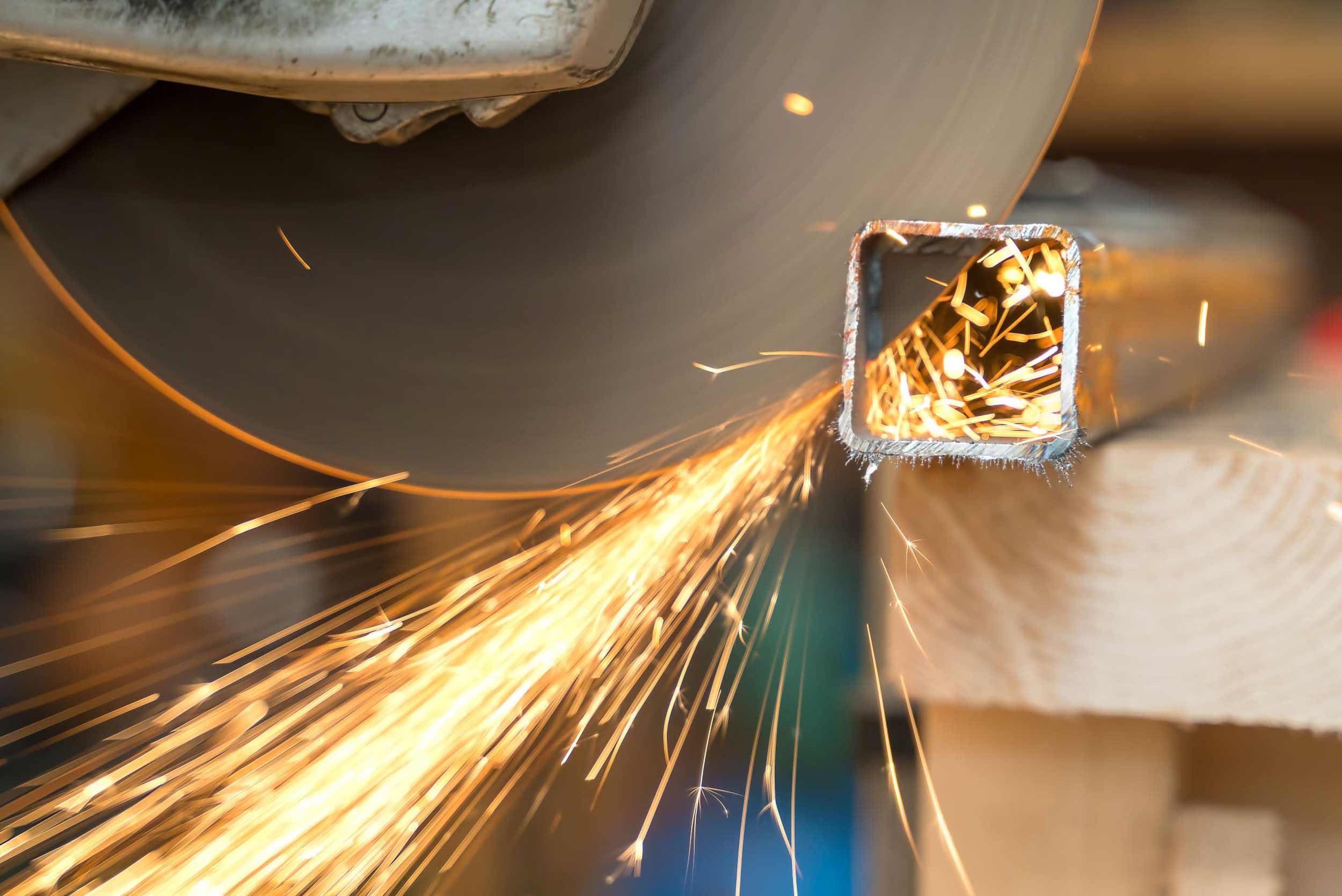
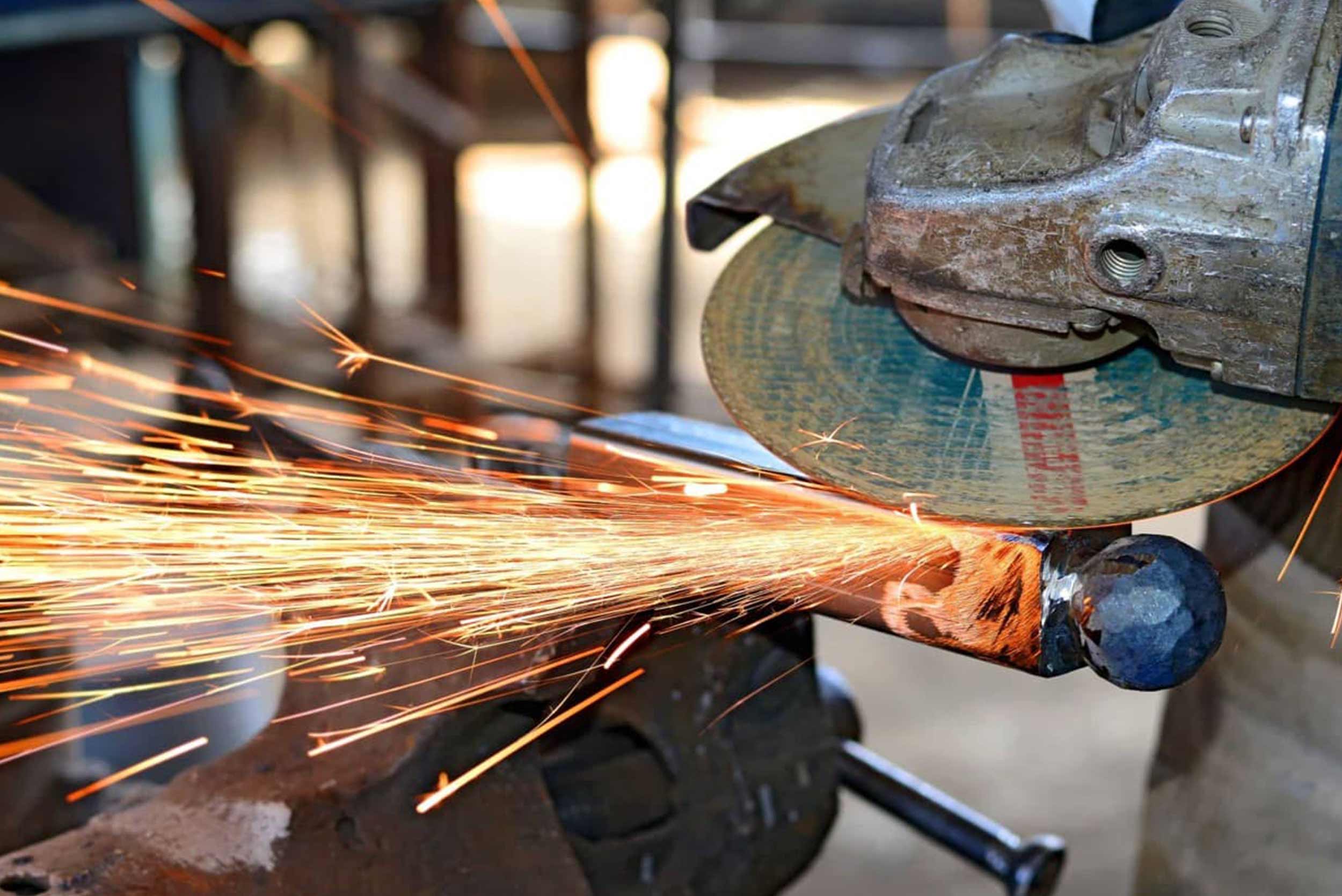
1,Cutting
2,Metal stamping
3,Welding
4,Extrusion
5,Forging
6,Casting
Before a raw metal material can be used for manufacturing and assembly, it must undergo various metal fabrication techniques. These processes can vary, depending on the purpose of the metal, but they can nevertheless be found in a...
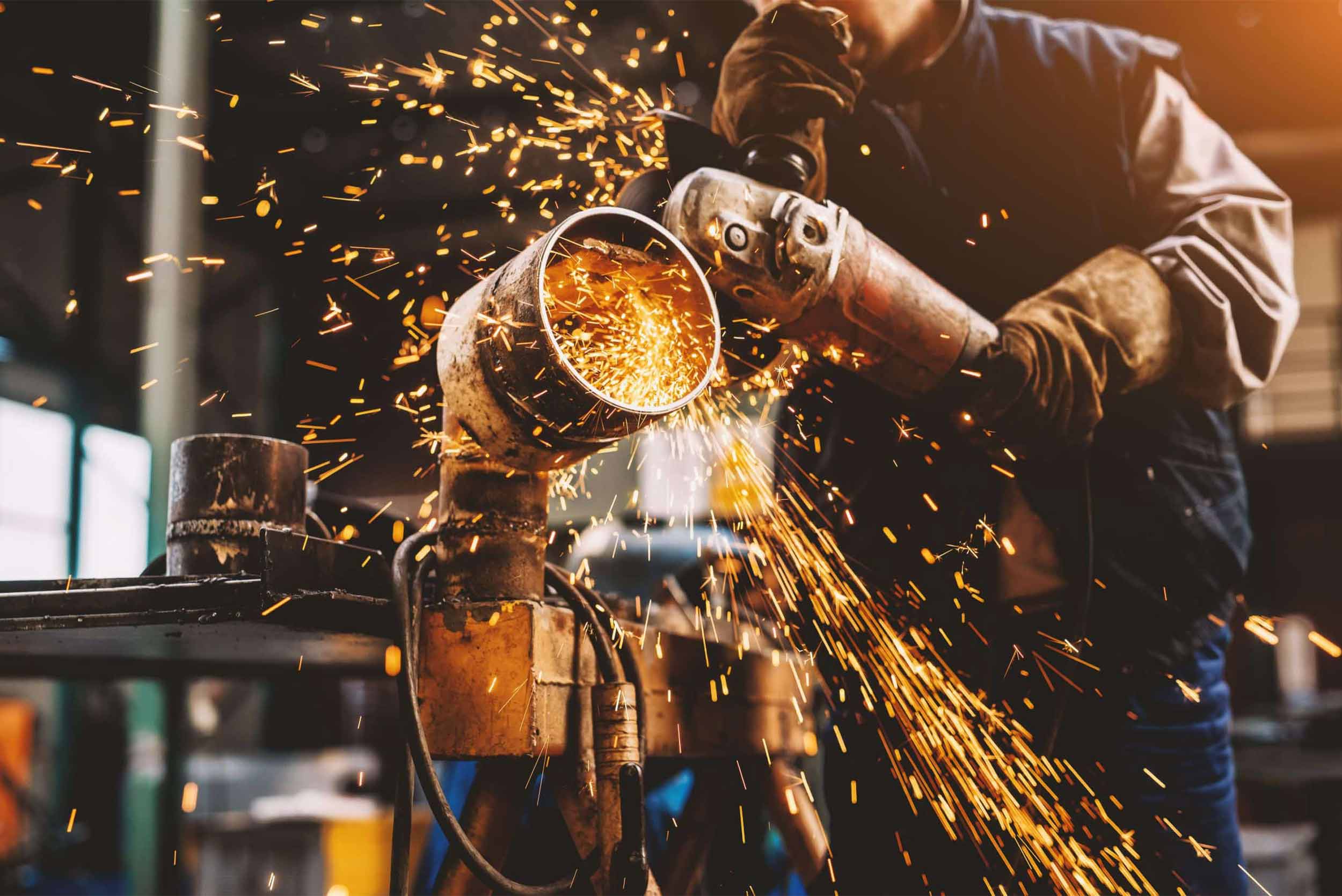
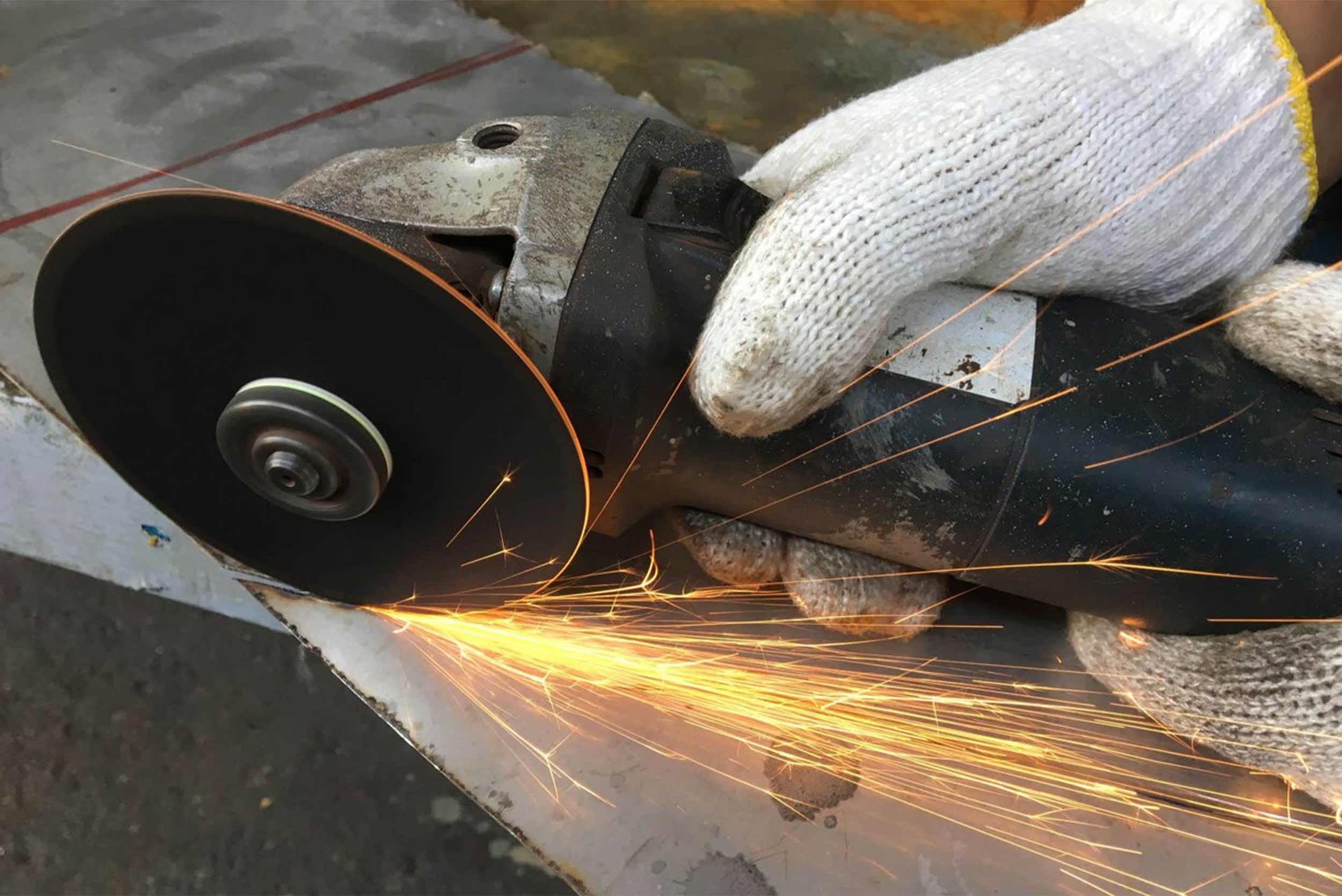
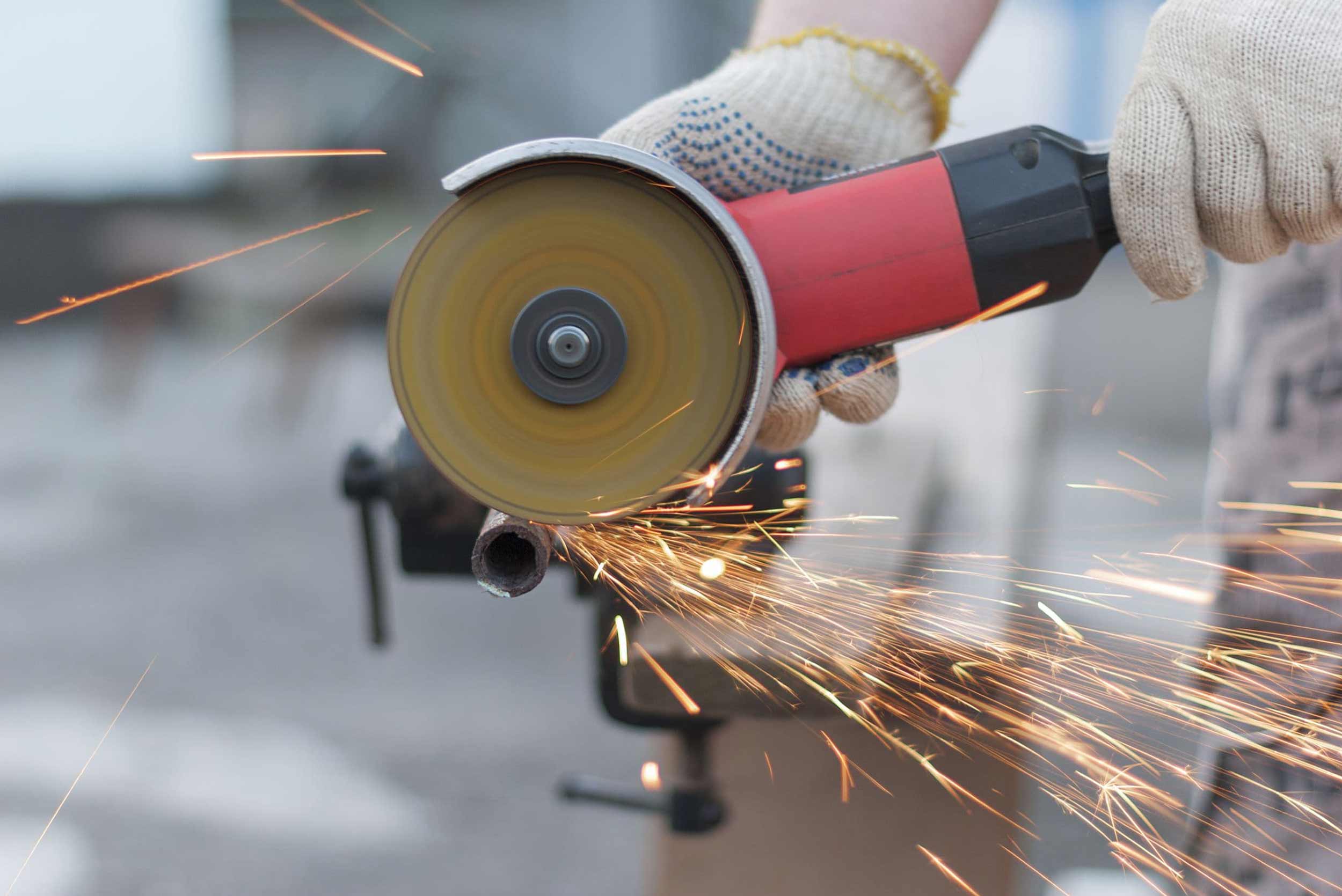
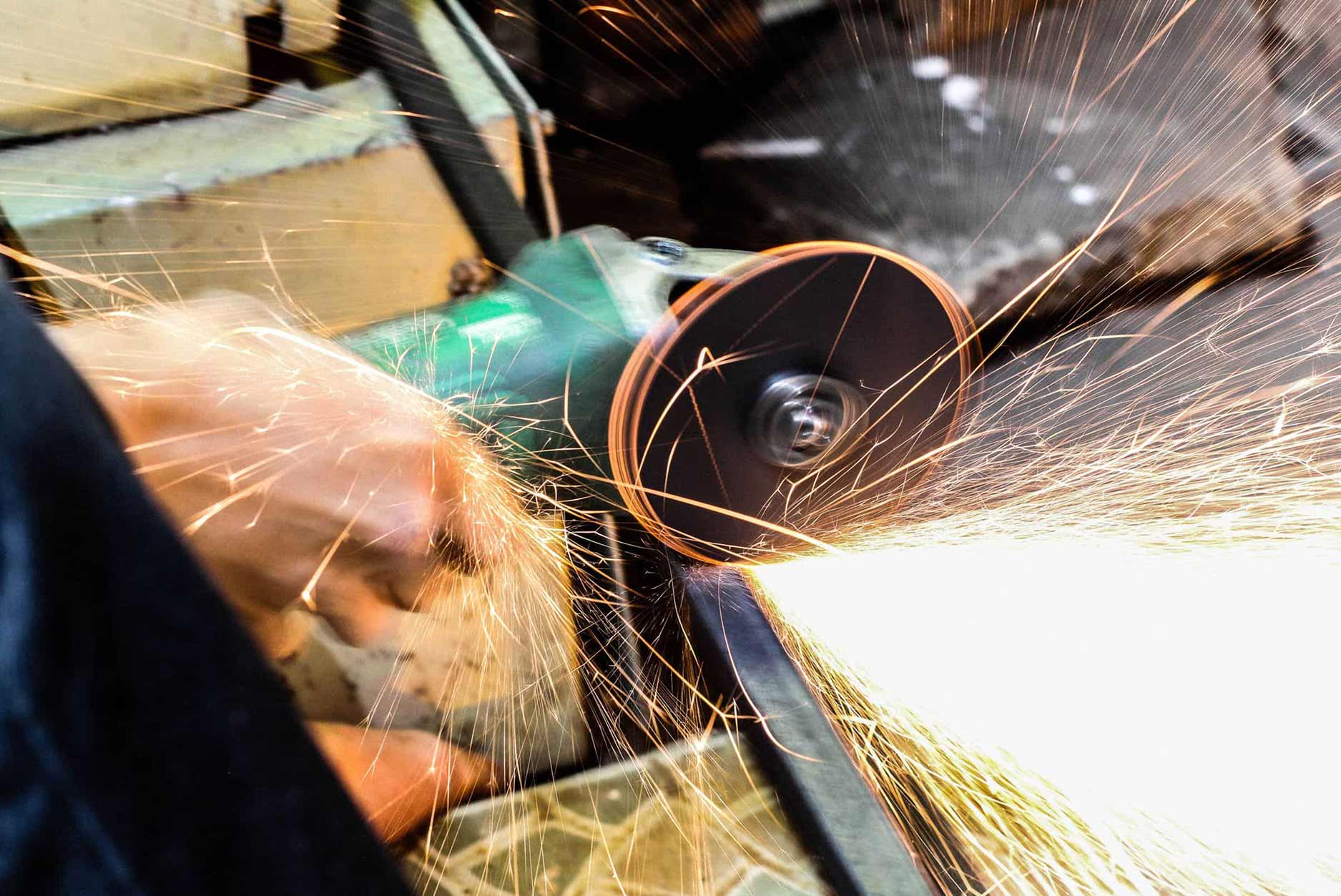
Englau Group Ceramic Cutting Discs play a vital role in metal fabrication, delivering outstanding efficiency and precision for metal fabricators. Metal fabrication specialises in creating metal structures by cutting, bending, and assembling raw materials, working with a variety of metals including s...
The number of metal-fabricated appliances in our daily lives is massive, including tools, electronic devices, cars, phones, and more. Metal fabrication is a highly complex process with many variations, each suited to a specific goal.
Before exploring each of them, it is essential to explain the basi...
Simply put, “metal fabrication” is the process of creating products or structures by cutting, bending, and/or assembling metal materials. It’s largely considered a value-added process because it involves assembling actual products or structures from metal raw materials.
Jobs typica...
Metal fabrication is the creation of metal structures through cutting, bending, and assembly. It is a value-added process involving the creation of machines, parts, and structures from various raw materials.
Typically, a fabrication shop bids on a job, usually based on engineering drawings, and if a...